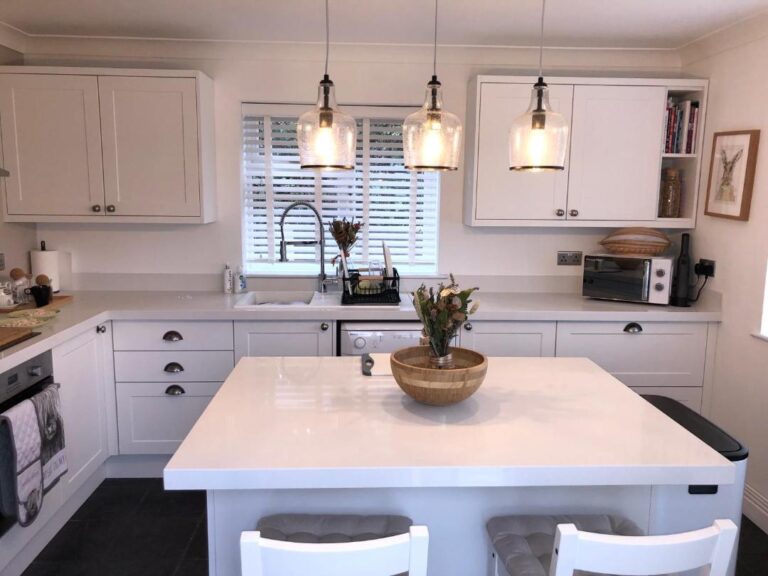
Kitchen Unit Refacing In Canterbury: A Practical Way to Transform Your Kitchen
Kitchen Unit Refacing In Canterbury offers homeowners a straightforward way to update a tired kitchen without removing perfectly usable cabinets. Instead of replacing the entire room, the visible parts of the kitchen are renewed with made-to-measure doors, drawer fronts, panels, plinths and other finishing details. The result can look like a newly fitted kitchen while reducing the cost, disruption and installation time associated with a complete replacement.
Kitchen Unit Refacing In Canterbury: What Does It Involve?
Refacing begins with an assessment of your existing kitchen units. If the cabinet frames are secure, correctly fitted and free from serious water damage, they can usually remain in place. The old doors, drawer fronts, cornices, pelmets and plinths are removed and replaced with components made to fit the existing layout.
Matching panels and overlays can be added to exposed cabinet sides to create a consistent finish. New handles, hinges and soft-close fittings can also be installed. This attention to detail helps the completed kitchen feel coordinated rather than appearing as though only the cupboard doors have been changed.
Thanet Kitchens provides made-to-measure options across a wide range of colours, finishes and door designs. Choices include Shaker styles, handleless doors, woodgrain finishes, contemporary slab doors, matt colours and high-gloss surfaces.
Why Refacing Makes Sense for a Sound Kitchen
Many kitchens begin to look dated long before their cabinet structures need replacing. Colours fall out of fashion, door coverings become marked, handles wear and worktops lose their original finish. Removing the whole kitchen in these circumstances can mean disposing of units that remain perfectly functional.
Refacing allows you to retain the parts that still work while concentrating the budget on the surfaces you see and use every day. Keeping the existing layout also avoids unnecessary alterations to flooring, walls and service connections. This can make the project easier to plan, particularly in busy family homes where access to cooking and washing facilities is needed.
A typical kitchen facelift may also produce less waste than a full rip-out. Homeowners interested in reducing energy use alongside their renovation can find practical household guidance from the Energy Saving Trust, including advice on efficient lighting and appliances.
Kitchen Unit Refacing In Canterbury: Choosing a New Style
The design stage is an opportunity to create a noticeable change without altering the basic arrangement of the room. A dark, traditional kitchen can be refreshed with light Shaker doors, while plain older units can be given a more modern appearance with smooth handleless fronts.
Colour has a significant effect on the finished space. White, porcelain and pale grey finishes can make a smaller kitchen feel brighter. Cashmere, sage green and muted blue add warmth and character, while graphite and deep grey can produce a more dramatic contemporary result.
Worktop choice also influences the overall design. Options may include laminate, solid timber, solid-surface materials, quartz, granite and quartz overlays. An overlay can sometimes be installed over an existing surface, reducing the need for removal while providing the appearance and durability of stone.
What Else Can Be Replaced During Refacing?
A successful kitchen renovation is not limited to doors. Depending on the condition of the room and the result you want, the project may include new worktops, sinks, taps, splashbacks, upstands, handles and internal storage accessories. Minor layout adjustments may also be possible, such as changing a cupboard arrangement or creating space for a different appliance.
Electrical, plumbing or gas alterations should be assessed separately. Work involving gas appliances must be completed by an appropriately registered engineer, whose credentials can be checked through the Gas Safe Register. Larger structural or service changes may also need to comply with relevant Building Regulations.
Kitchen Unit Refacing In Canterbury: The Installation Process
The process normally starts with a home visit to inspect the cabinets, take accurate measurements and discuss styles, colours and work surfaces. Because each component is produced for the existing kitchen, precise measurements are essential for aligned doors, consistent gaps and neatly finished edges.
Once the new components are ready, the old visible fittings are carefully removed. Replacement panels, doors, drawer fronts and finishing pieces are then installed and adjusted. Keeping the cabinet frames in place limits demolition and helps reduce dust, noise and inconvenience.
Many straightforward refacing projects can be completed in around two days, although additional worktops, layout alterations or service changes may extend the schedule. Thanet Kitchens can explain the expected timescale after assessing the condition and requirements of the individual kitchen.
Kitchen Unit Refacing In Canterbury: Cost and Disruption
The final price depends on the number and size of the units, the chosen door range, the worktop material and any additional changes. A small kitchen with laminate surfaces will usually cost less than a larger project featuring solid timber doors, stone worktops and new storage fittings.
Refacing is often considerably more affordable than replacing every cabinet. It can also avoid costs linked to skip hire, extensive disposal, replastering and repairing flooring exposed by a changed layout. A clear written quotation should identify the products, installation work and optional extras included.
Disruption is generally limited because the main units stay where they are. Homeowners should still clear worktops and cupboards where access is required, but the room is not normally left as an empty building site for an extended period.
Frequently Asked Questions
Can every kitchen be refaced?
Most kitchens can be refaced if the cabinet frames are strong, level and free from major damage. Units affected by severe damp, movement or deterioration may need repair or replacement first.
Can I change the kitchen layout?
Small modifications are often possible, including adding units or adjusting appliance spaces. Extensive layout changes may make a full or partial kitchen replacement more suitable.
Are new worktops included?
Worktops can be included as part of the project, but they are not always necessary. Laminate, timber, solid-surface, quartz, granite and overlay options may be available.
How long will the finished kitchen last?
Durability depends on the chosen materials, installation quality and everyday care. Well-made doors, correctly fitted surfaces and sound existing cabinets can provide many years of reliable use.
For homeowners seeking a quicker, less disruptive alternative to a complete replacement, Thanet Kitchens offers kitchen refacing, made-to-measure doors, worktops and finishing options designed around the existing room.